

An annual bill can feel like a surprise even when you knew it would return. The renewal date arrives, the amount is larger than an ordinary weekly expense and the current balance suddenly looks less comfortable. Saving for annual bills means giving those known costs a place in the plan before they fall due. It is different from an emergency fund for genuinely unexpected expenses. This guide shows a simple way to organise the figures without assuming that every household can immediately set aside the same amount.
Begin with the costs you can identify
Look back through statements, emails or a calendar for costs that arrive less often than monthly. Examples might include an insurance renewal, a membership or an annual service you already use. Write the expected date and the latest amount you know. Keep estimates clearly marked because a renewal price can change. You do not need to find every possible bill on the first attempt. A short list of the larger or nearer costs is a useful starting point, and you can add items when you notice them during the year.
Work from the date, not only the amount
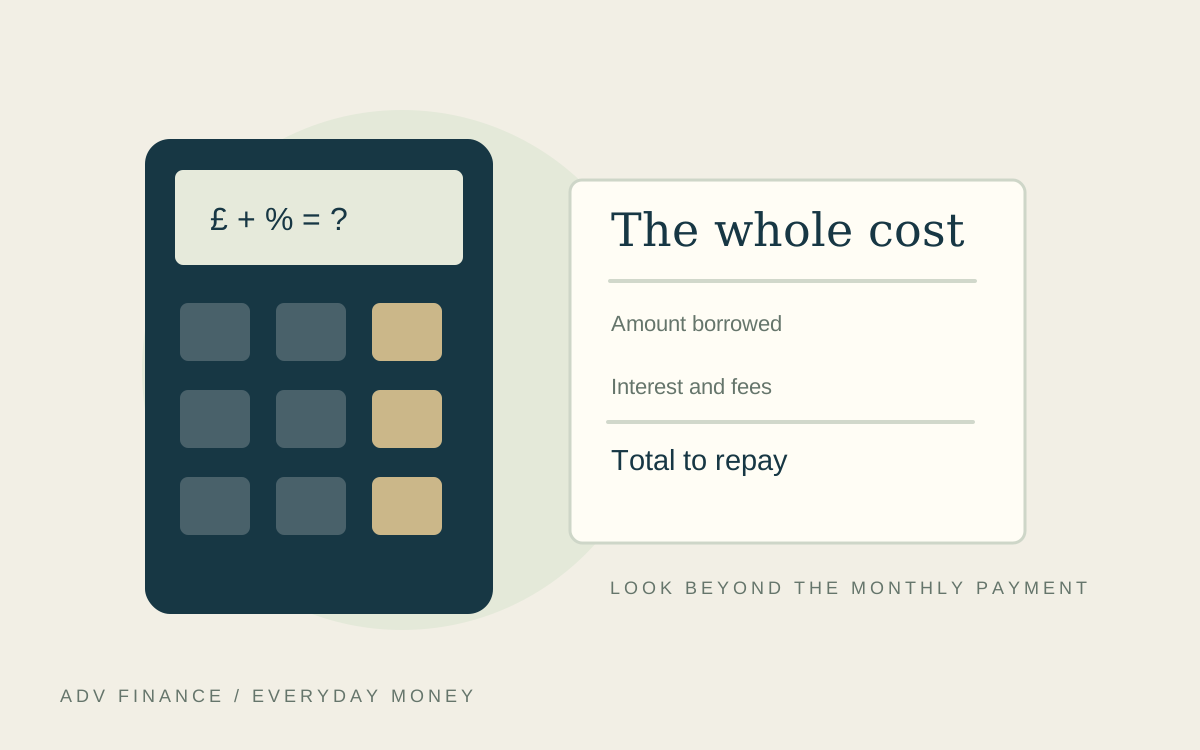
A £240 bill with twelve months to prepare for would mean £20 a month in a simple illustration, excluding interest and changes to the bill. With six months available, the same illustrative total would mean £40 a month. The arithmetic is a planning tool, not a requirement to save an amount you cannot afford. Use the time actually available rather than automatically dividing everything by twelve. If the first renewal is close, the initial year may need a different conversation from the longer-term habit you want to build.
Give known costs a clear name
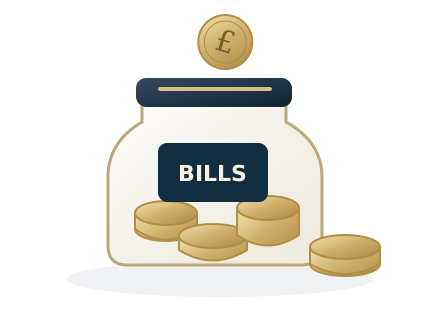
A separate savings pot can make the purpose of the money easier to see. Some people call this a sinking fund: saving gradually towards a known future cost. You do not need a complicated collection of accounts. The useful feature is a clear record that prevents money intended for a renewal being counted as spare spending money. If several bills share one pot, keep a note of the amounts assigned to each. The label is helpful only if you can still understand what the combined balance is intended to cover.
Keep the annual-bills pot separate from emergencies
An emergency buffer and a planned-bills pot do different jobs. Money set aside for a known renewal is not completely free to cover an unexpected repair unless you also reconsider the renewal plan. This is not about never changing your mind. It is about noticing when the same money has been given two purposes. If an urgent cost means using the pot, record what changed and review the remaining plan. A system that can be updated honestly is more useful than one that looks tidy while hiding a shortfall.
Choose a way of saving that fits your income
A regular transfer can suit a steady income, while another pattern may be more practical when earnings vary. Check the amount against essential spending and existing commitments first. If there is no room, forcing a transfer does not make the budget balanced. You may need to review the cost, the timing or the wider circumstances instead. Avoid choosing a savings target simply because the arithmetic looks neat. The purpose of the plan is to reduce pressure when a bill arrives, not to create a different pressure every week.
Check how you can reach the money
Before using a savings account or pot, read withdrawal rules, any charges and how long access can take. The money is being saved for a known date, so the access conditions need to work with that date. A headline interest rate is not the only consideration. Keep the provider's explanation somewhere you can find it again. You do not need a product recommendation from this article; you need to understand the conditions of the arrangement you choose and whether it serves the purpose of this particular money.
Review the plan when the bill changes
When renewal information arrives, compare the actual amount with the estimate. Adjust the notes rather than assuming last year's figure will always be enough. After paying, record the next expected date and reconsider the regular amount. A brief review can also reveal a service you no longer need or a question you want to ask the provider. Treat those as separate decisions from the act of saving. Having money ready does not mean you must accept a renewal without reading it, and a changed bill is a reason to update the plan.
Make the first step small enough to do
Start with one bill and one date. Find the last statement, write the expected amount and work out what time remains. MoneyHelper explains using savings pots and setting a savings goal. If essential bills or debts are already difficult, use the support section below rather than feeling that you must immediately meet a new savings target. A practical plan should make the next renewal easier to understand while remaining flexible enough for the life you actually have.
Sources reviewed on 13 November 2026. These are general explanations for UK readers, not personal financial, legal or debt advice.