

One repayment instead of several can sound reassuring, especially when different balances are becoming hard to follow. Debt consolidation means taking new borrowing to repay existing debts. It changes the arrangement; it does not make the debt disappear. The important questions are whether the full cost changes, whether the repayments remain manageable and whether any new risks are introduced. This guide is a starting point for those questions, not a recommendation to apply. If payments are already difficult, independent debt advice can help you look beyond the appeal of a tidier statement.
Start with the commitments you already have
Before looking at a new loan, list each existing balance, its payment dates and any charges you need clarified. Use current statements, and ask providers for the information necessary to understand settling a balance. Keep estimates separate from confirmed figures. It is easy to compare an attractive new monthly amount against an incomplete picture of the old commitments. A useful comparison starts with what would actually be repaid, what would remain outstanding and what the proposed new agreement would require. Do not assume every balance is included simply because the plan is called consolidation.
Compare the total, not only the monthly payment
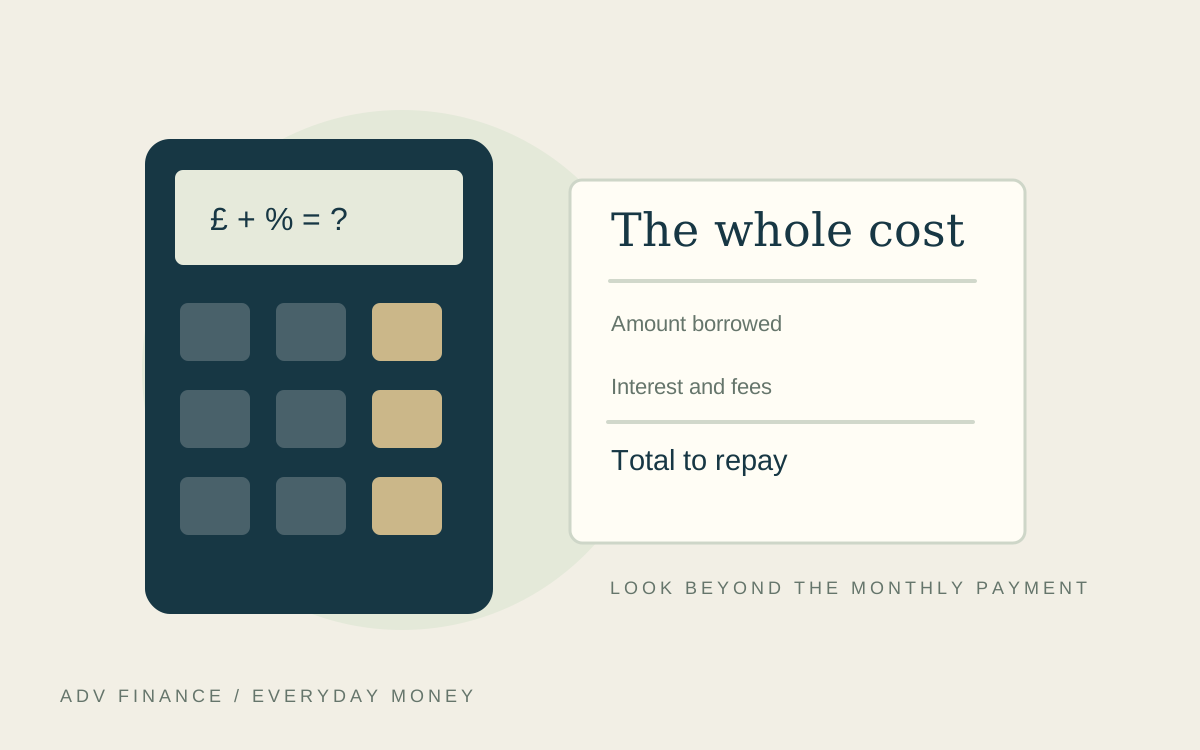
A smaller repayment can result from spreading a commitment over longer. That may change the overall interest and cost, so the monthly figure alone is not enough. Put the amount borrowed, term, repayment schedule, fees and total repayable beside the existing information. If something is unclear, ask for an explanation before treating it as a saving. A hypothetical comparison might show one option with fewer payments and another with a smaller amount each month. The useful question is what the complete commitment would be in each case, rather than which number looks easiest at first glance.
Look for costs around the change
The proposed new agreement may not be the only source of cost. Check whether repaying an existing loan early involves a charge and whether the new arrangement includes fees. Ask how each figure would be confirmed and when it applies. Keep written answers with your comparison so you are not relying on a phone conversation remembered under pressure. A fee that looks small on its own can still change the result of a comparison. The task is to understand the whole transition, including any balances or charges that would not be cleared immediately.
Understand whether an asset is involved
Some consolidation borrowing is secured against an asset, often a home, while other borrowing is unsecured. Changing unsecured commitments into borrowing secured on your home can introduce a different and serious risk. You could lose the secured asset if repayments are not maintained. Do not treat this as an administrative detail beside the interest rate. Ask what the agreement is secured on and what the consequences mean. ADV Finance is a credit broker introducing customers for unsecured loan agreements; this explanation of other borrowing types is general information, not an offer of secured lending.
Consider what happens after existing balances are cleared
A new agreement does not automatically change the spending pressures that created the earlier balances. Think about what your budget would look like afterwards and what would happen if you used available credit again. Without a workable plan, it is possible to have the new loan and fresh balances at the same time. This is not about blaming yourself. It is about being honest about the pattern the agreement would sit within. If essential spending already exceeds income, moving the balances alone does not explain how that shortfall will be managed next month.
Give the budget a realistic test
Write down income, essential costs and other commitments, including the proposed payment. Look at an ordinary month and a less comfortable one. Include known annual expenses rather than assuming they will somehow be dealt with later. Do not quietly count uncertain income as guaranteed. If the figures only work when everything goes perfectly, that is useful information to discuss before making another commitment. A lender's willingness to consider an application does not replace your need to understand the agreement or the role that it would play in your wider finances.
Ask about alternatives before feeling committed
If repayments are hard to manage, a free debt adviser can explore your situation and explain relevant options. A consolidation loan is not the same thing as a debt management plan or another debt solution. The details and availability of help vary with circumstances and location. Avoid deciding from the label alone. Bring the balances, letters and budget information you have, even if the list is incomplete. A good question to begin with is whether the main problem is the number of payments, the overall cost, a shortfall in income or several of these together.
Keep the decision separate from the first enquiry
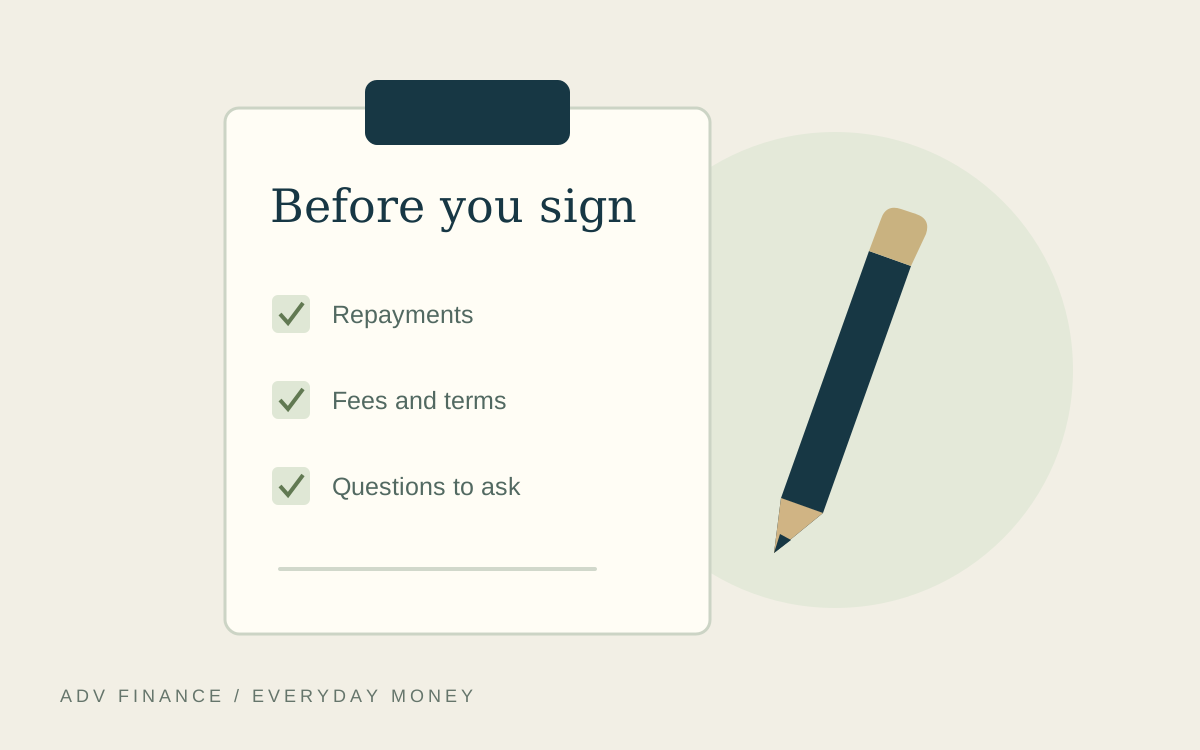
You can gather information without deciding that new borrowing must be the outcome. Save the documents, write down unanswered questions and take time to compare the actual terms. MoneyHelper explains debt consolidation loans and the support links below provide routes to independent advice. An introduction by a broker does not guarantee acceptance. Clarity about cost and risk matters more than having fewer lines on a statement. The useful next step is the one that helps you understand the whole situation before choosing a commitment.
Sources reviewed on 13 November 2026. These are general explanations for UK readers, not personal financial, legal or debt advice.