

A credit card can look like an ordinary way to pay, but the money used is borrowed. Understanding the card means looking beyond whether a transaction goes through. You need to know the balance, payment date, minimum payment and the costs that can apply to different uses. This guide explains the basics in plain English. It does not recommend a particular card or assume that borrowing is needed. The useful starting point is being able to describe how the account would work in your own budget before making a commitment.
Start with the limit and the balance
The credit limit is the amount the provider permits you to borrow under the account terms. The balance is what you owe. Those are different things: available credit is not income or savings. Keep that distinction visible when looking at an app that highlights the amount still available to spend. A transaction can feel smaller when it is separated from repayment, but the obligation remains. Before using a card, ask how the purchase would be repaid and what other commitments need money during the same period.
Learn to read the statement
A statement normally gives information about what you owe, the minimum payment and when payment is due. Read the transactions and charges, not only the amount highlighted most prominently. If something does not look familiar, use the provider's secure contact route to ask about it. Keep a note of the question and any response. It helps to identify the exact transaction or figure rather than describing the whole statement as confusing. A short monthly check is a way to understand the account, not a substitute for dealing with a payment that is already difficult.
Understand the minimum payment
The minimum is a required payment under the terms, not a recommendation that it will clear the balance quickly. Paying only a small amount while continuing to borrow can leave debt outstanding for longer. Look at the provider's explanation of how the minimum is calculated and what happens if it is missed. Do not guess from a previous statement if the current figure has changed. A reminder or payment instruction can help with timing, but first make sure you understand what will be collected and whether the money will be available.
Check interest and fees for the actual use
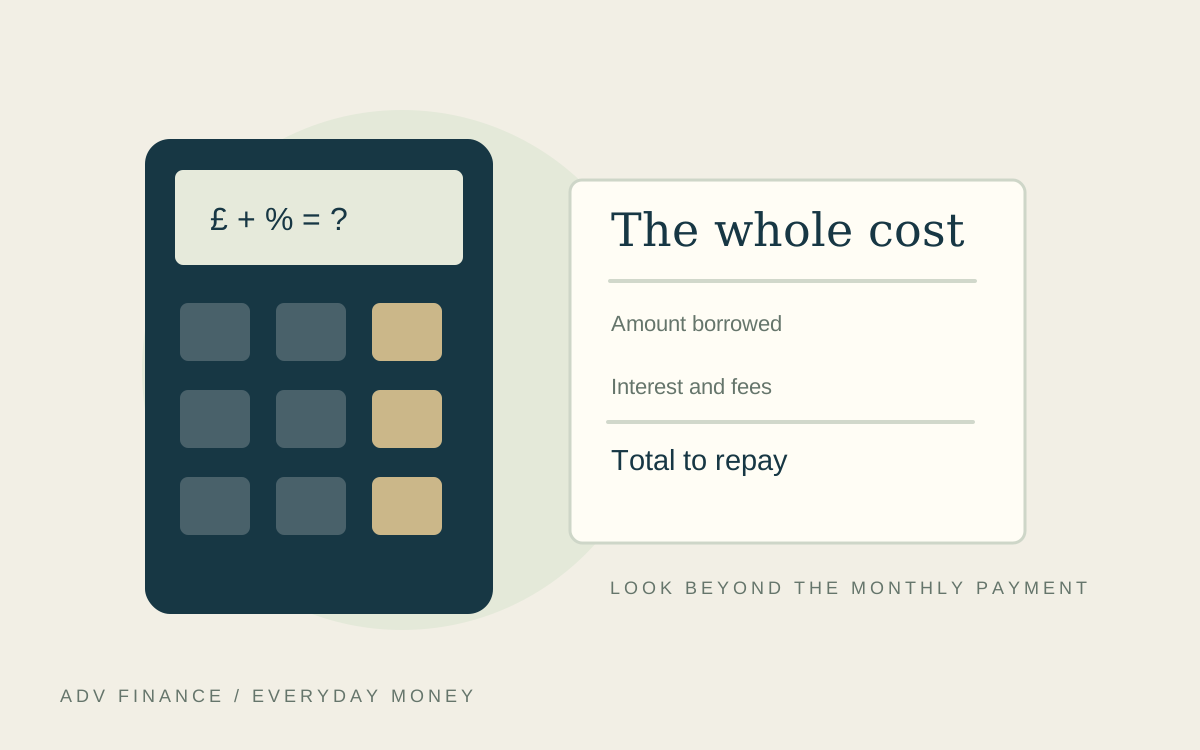
Purchases, balance transfers and cash withdrawals can have different rates and charges. An introductory offer for one type of transaction does not necessarily cover another. Read the current agreement and statement information to understand when interest or fees may apply. Avoid treating the words “interest-free” as a description of everything you could do with the card. If you cannot explain the cost of a planned transaction, ask the provider before relying on it. This article deliberately does not quote a product rate, because the terms of your actual account are what matter.
Put an introductory offer in a calendar
If a particular rate applies for a limited period, note the end date and what happens afterwards. Consider the plan if a balance remains at that point. Do not assume another offer will be available or that you will qualify for it. Keep any conditions about using the offer with your notes. A date in the future can feel distant at the checkout, but it belongs in the same planning exercise as the repayment. The question is how the commitment works through the whole period, rather than whether the headline sounds attractive today.
Keep repayments alongside essential spending
Write down income, necessary costs and existing commitments before deciding what the card would add. Think about a less comfortable month as well as a good one. An account limit or an approved transaction does not tell you what the rest of your budget looks like. If you already use borrowing for essentials because income is not covering costs, seek independent debt guidance rather than assuming a different card will resolve the shortfall. You do not need to wait until every payment has been missed before asking for help with the wider picture.
Know what to do when something changes
If a payment looks difficult, contact the provider early and explain what has changed. Ask how any suggested arrangement would work and what it could mean for the account. If the issue is an unfamiliar transaction, report it through the provider's secure channels. Avoid sharing statements or card details in public posts. Keep copies of important answers and deadlines so you can follow the conversation. A clear record makes it easier to ask a focused question later, especially when you are worried and do not want to repeat everything from memory.
Make the account easier to understand
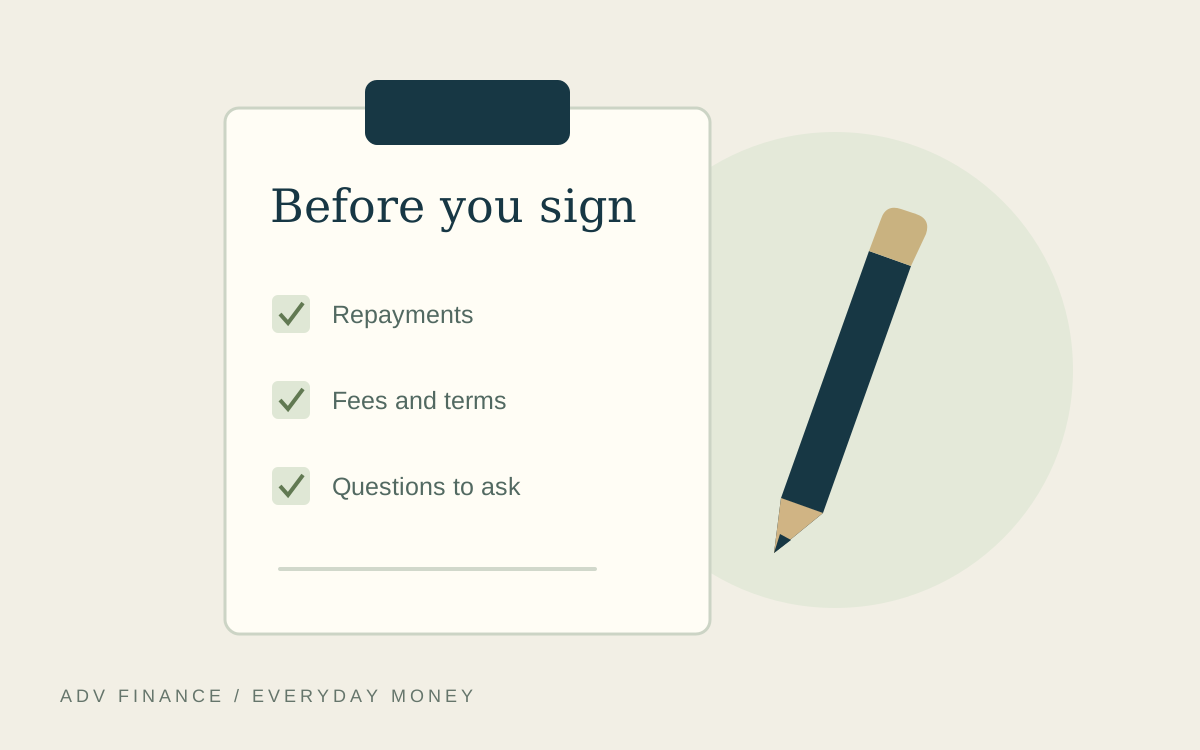
A simple checklist can include the statement date, payment date, balance, required payment, relevant rates and questions still unanswered. MoneyHelper's credit-card guide explains the basics, while guidance on managing credit offers wider context. Our separate balance-transfer guide looks at moving existing card debt. If the account is causing pressure rather than helping you organise spending, the support links below offer routes to independent advice. Understanding the commitment is the aim, not finding a reason to use every feature available.
Sources reviewed on 13 November 2026. These are general explanations for UK readers, not personal financial, legal or debt advice.