

An unexpected bill can make an ordinary week feel much harder. A little money set aside can create breathing room, but a large savings target is not the only useful starting point. Building an emergency fund means choosing an amount you can afford, keeping its purpose clear and making sure you can reach it when needed. Our six slides offer a short introduction. This guide looks at the practical choices behind them, including what to do if saving currently feels difficult rather than reassuring.
Decide what the fund is for
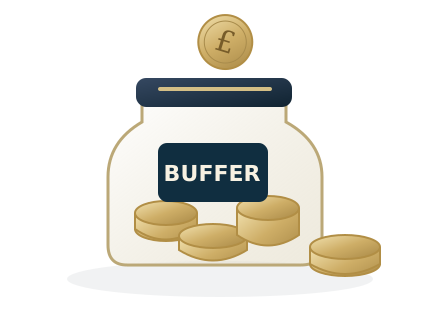
Think about the kinds of unexpected essential costs that could disrupt your budget: an urgent repair, for example, rather than a purchase you already know you want to make. Give the pot a name that reminds you of its purpose. This helps distinguish the buffer from money available for everyday spending. You do not need to predict every future problem or create a perfect rule for every possible expense. The useful starting point is knowing why the money is being set aside and when you would consider using it.
Start with what your budget can spare
Look at income, essential spending and existing commitments before deciding on a savings amount. Money set aside should not leave you short for necessities. A hypothetical £5 saved each week would build to £100 after 20 weeks, excluding interest. That is an illustration, not a target everyone should follow. Some weeks may offer more room than others. If you cannot currently save, that does not mean you have failed at managing money. The immediate priority may be understanding a shortfall or getting help with bills and debts.
Treat a bigger target as a direction
MoneyHelper describes three to six months of essential spending as a longer-term rule of thumb for an emergency cushion. It is not an amount you must have before a small buffer becomes useful. Start with a manageable first goal and review it when your circumstances change. Your essential spending is a more helpful reference than somebody else's impressive savings figure. A target should explain the plan, not make it feel pointless to begin. If the number creates pressure, return to the smaller step you can realistically manage.
Separate emergencies from annual bills
An insurance renewal or another predictable annual cost may deserve its own savings plan. It is different from an unexpected expense, even if both are paid from saved money. A pot for a known future cost is sometimes called a sinking fund. Naming the pots separately can help you avoid counting the same money twice. For example, savings already intended for a renewal are not completely free to cover a surprise repair. The aim is to make the purpose visible, without creating so many categories that the system becomes hard to maintain.
Keep access to the money in mind
An emergency buffer needs to be accessible when a cost arrives. Check how withdrawals work, how long they take and whether there are limits. Some savings products restrict access or reduce interest when money is withdrawn. Do not choose solely from a headline rate without reading those rules. Ask whether the arrangement fits the purpose of this particular pot. An account intended for a different kind of goal might have conditions that are inconvenient for emergencies. Keep the provider's explanation with your notes so the access rules are easy to find.
Understand interest, charges and protection
Interest is what a savings account pays you, subject to its terms; a variable rate can change. Look at any fees, minimum payment requirements and withdrawal conditions together. Check the provider and the deposit protection relevant to the account rather than assuming all products work alike. This article does not compare accounts or recommend a particular one. The practical question is whether you understand where the money would be held, how to reach it and what conditions apply. If a feature is unclear, ask the provider to explain it before relying on it.
Make the habit flexible enough to keep
A regular transfer can be useful if it suits the way your income arrives. It is not the only way to build a buffer. You might save when there is room and review the amount after changes to bills or earnings. Avoid turning a missed contribution into a reason to abandon the whole plan. A simple record can show what has been added and why money was used. If an emergency happens, using the pot for its intended purpose is not a failure. Rebuilding can begin when the budget allows it.
Put difficult bills and debts first
If essential bills or priority debts are already a problem, get help before forcing money into a savings target. The right next step depends on your circumstances and the country where you live. Free debt advice can help you look at the wider picture. StepChange discusses saving for emergencies, and MoneyHelper explains setting a savings goal. For account conditions, read MoneyHelper's regular savings guidance. You can also use the support links below. A sensible plan should make everyday life more manageable, not leave you struggling to reach a number.